
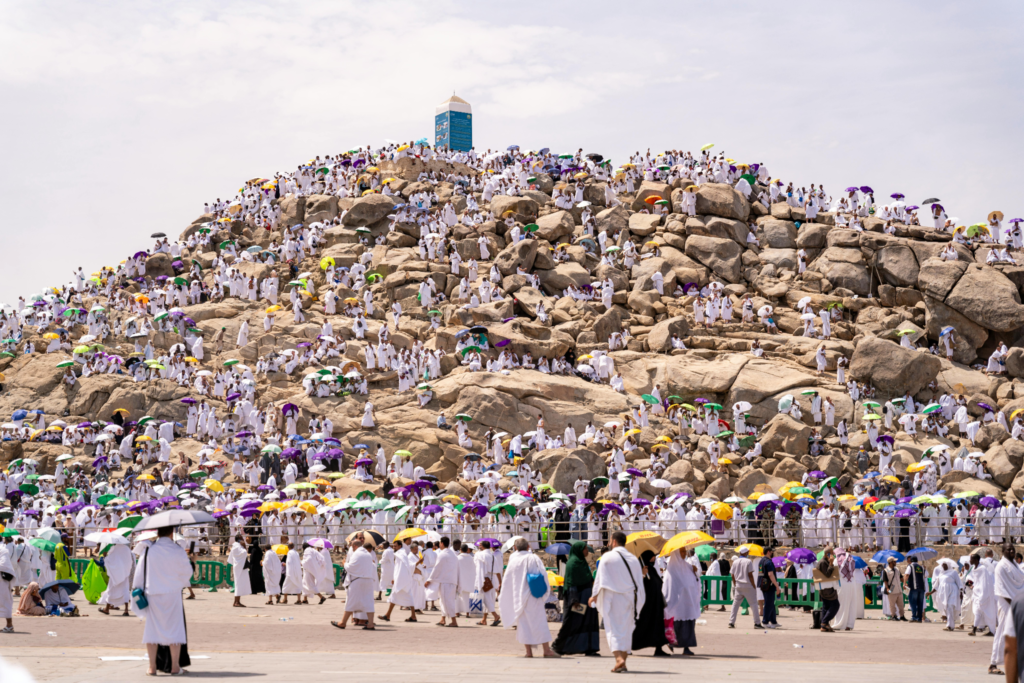
The Day of Arafah is considered one of the most important and spiritually significant days in Islam. It falls on the 9th day of Dhul Hijjah, the final month of the Islamic calendar, and comes just before Eid al-Adha. For Muslims performing Hajj, it is the day they gather at the plain of Arafat near Makkah. For Muslims around the world who are not performing Hajj, fasting on this day is highly recommended.
According to authentic Islamic teachings, fasting on the Day of Arafah is believed to expiate sins of the previous year and the coming year. Because of its religious importance, many Muslims observe the fast while also increasing acts of worship such as prayer, Quran recitation, and supplication.
Here are some important dos and don’ts to keep in mind when fasting on the Day of Arafah.
Dos of Fasting on the Day of Arafah
1. Make the Intention Before Fasting
Like all voluntary fasts, it is important to make the intention to fast for the sake of Allah. The intention does not need to be spoken aloud, but it should be made sincerely in the heart before the fasting day begins.
2. Eat Suhoor
Having Suhoor, the pre-dawn meal, is recommended. It helps provide energy and hydration throughout the day and follows the Sunnah of Prophet Muhammad (peace be upon him). Eating nutritious foods and drinking enough water before dawn can help make fasting easier.
3. Increase Supplication and Worship
The Day of Arafah is known as a day of mercy, forgiveness, and acceptance of prayers. Muslims are encouraged to spend the day making dua, remembering Allah, reciting the Quran, and seeking forgiveness.
4. Break the Fast on Time
The fast should be broken immediately after sunset. Traditionally, many Muslims break their fast with dates and water before offering the Maghrib prayer.
5. Practice Kindness and Patience
Fasting is not only about avoiding food and drink but also about improving behavior. Muslims are encouraged to remain patient, avoid arguments, and maintain good conduct throughout the day.
Don’ts of Fasting on the Day of Arafah
1. Do Not Fast if Performing Hajj at Arafat
For pilgrims performing Hajj, fasting on the Day of Arafah is generally discouraged. Historical reports indicate that Prophet Muhammad (peace be upon him) did not fast while standing at Arafat during Hajj, as maintaining strength and energy for worship was considered more important.
2. Avoid Wasting the Day on Distractions
Since the Day of Arafah is regarded as spiritually significant, Muslims are encouraged to avoid excessive entertainment, unnecessary social media use, or activities that distract from worship and reflection.
3. Do Not Engage in Gossip or Arguments
Backbiting, gossiping, insulting others, or engaging in unnecessary conflicts goes against the spirit of fasting. Islamic teachings emphasize self-control and good character during acts of worship.
4. Avoid Overeating at Iftar
While it is natural to feel hungry after fasting, overeating at iftar can lead to discomfort and may take away from the spiritual focus of the day. Moderate eating is generally encouraged in Islam.
5. Do Not Neglect Obligatory Prayers
Although fasting is highly rewarding, obligatory prayers remain the most important acts of worship. Muslims should ensure they perform all daily prayers on time during the Day of Arafah.
The Spiritual Importance of the Day
The Day of Arafah is widely regarded as one of the holiest days in the Islamic calendar. It is associated with forgiveness, mercy, and spiritual renewal. For many Muslims, fasting on this day serves as an opportunity to strengthen faith, seek forgiveness, and reconnect with religious values before Eid al-Adha.
Islamic scholars often encourage believers to use the day for sincere repentance, prayer, charity, and reflection. Along with fasting, acts of kindness and worship are considered especially meaningful during this time.