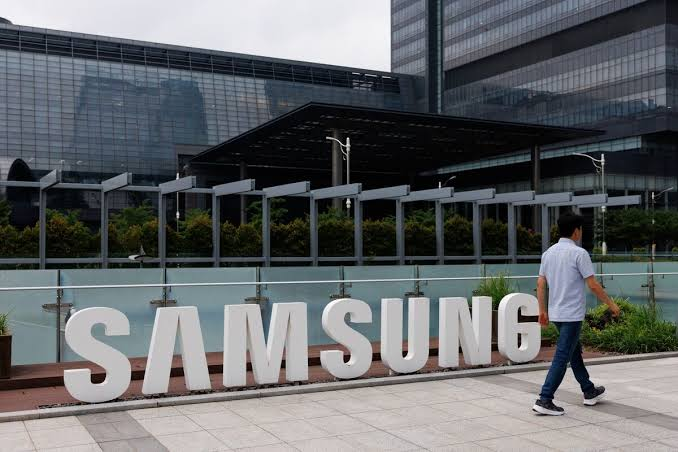
Samsung Electronics is expected to report an 18-fold increase in second-quarter operating profit, reflecting the continued surge in global demand for memory chips used in artificial intelligence (AI) applications. According to estimates compiled by LSEG from 30 analysts, the South Korean technology company is forecast to post operating profit of approximately 86 trillion won (US$56.35 billion) for the April-to-June quarter, compared with 4.7 trillion won during the same period last year. If confirmed, this would mark Samsung’s third consecutive quarter of record operating profit.
The expected earnings growth is primarily attributed to the rapid expansion of AI infrastructure, which has significantly increased demand for memory products. Samsung, the world’s largest memory chipmaker by sales, supplies memory chips to major technology companies including Nvidia, Google and Apple. The continued build-out of AI data centres has created strong demand for both advanced and conventional memory chips, tightening global supply.
Analysts say the current market strength extends beyond high-bandwidth memory (HBM), which is commonly used in AI accelerators. Demand for conventional DRAM and NAND memory has also increased as AI workloads become more widespread. The growing adoption of agentic AI systems, which perform complex, multi-step tasks and require greater memory capacity during inference, has further strengthened demand across the memory market.

The imbalance between supply and demand has led to significant increases in memory chip prices. Citi Research estimates that average selling prices rose by 44% for DRAM and 53% for NAND during the second quarter compared with the previous quarter. Analysts expect the global memory market to remain undersupplied through at least next year, supporting continued pricing strength for manufacturers.
The AI-driven rally has also boosted semiconductor stocks. Samsung shares have risen approximately 158% this year, while rival memory manufacturers SK Hynix and Micron Technology have gained 273% and 242%, respectively. The strong performance reflects investor confidence in sustained demand for AI hardware and the critical role memory chips play in supporting cloud computing and generative AI applications.
Despite the positive outlook, analysts note that Samsung’s reported earnings could be affected by employee bonus provisions. In May, the company reached a wage agreement with semiconductor workers that allocates 10.5% of the chip division’s operating profit toward special bonuses. The timing of when these expenses are recognised could influence the company’s final quarterly earnings. Samsung is expected to release detailed financial results later this month.
Looking ahead, industry analysts identify AI infrastructure spending as the key factor supporting continued growth. However, they also caution that any slowdown in investment by major cloud service providers could weaken future demand for memory chips. Samsung and SK Hynix have announced long-term plans to expand semiconductor manufacturing capacity in South Korea, underscoring expectations that AI-related demand will remain strong over the coming years.