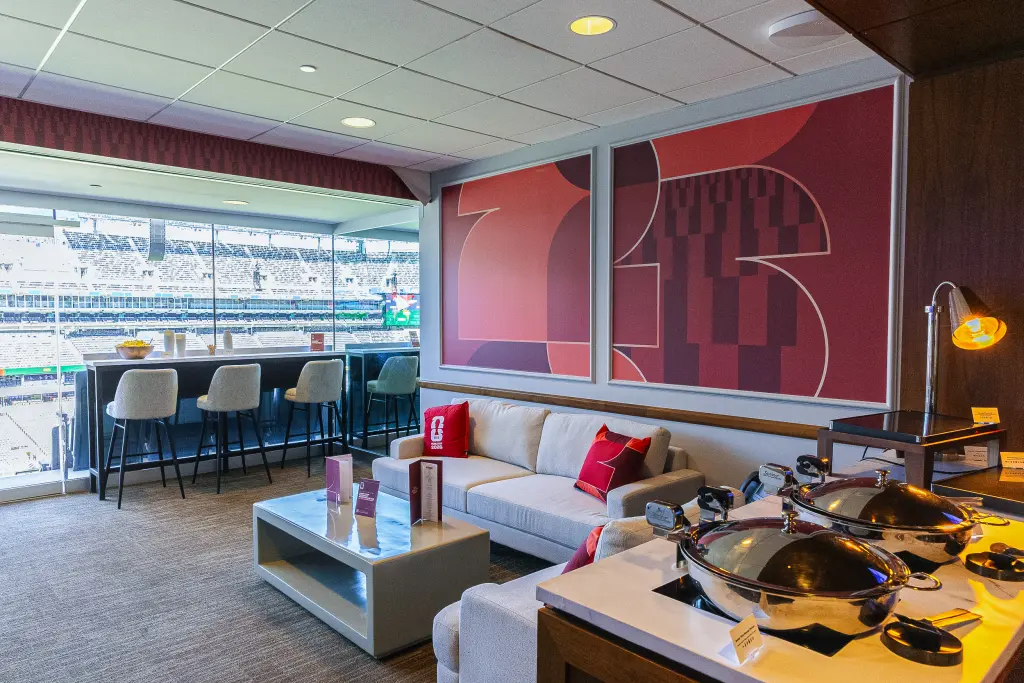
For most football fans, attending a FIFA World Cup match is a once-in-a-lifetime experience. For a select group of guests, however, matchday extends far beyond the 90 minutes on the pitch. The FIFA World Cup 2026 has placed renewed attention on premium hospitality offerings, with luxury suites and exclusive lounges becoming a major attraction for celebrities, business leaders, corporate clients and fans seeking a high-end stadium experience.
Recent World Cup matches have seen well-known personalities, including former England captain David Beckham and several celebrities associated with the tournament’s host cities, attending games from FIFA’s hospitality areas. Their presence has highlighted the growing role of premium experiences as part of the modern sporting event.
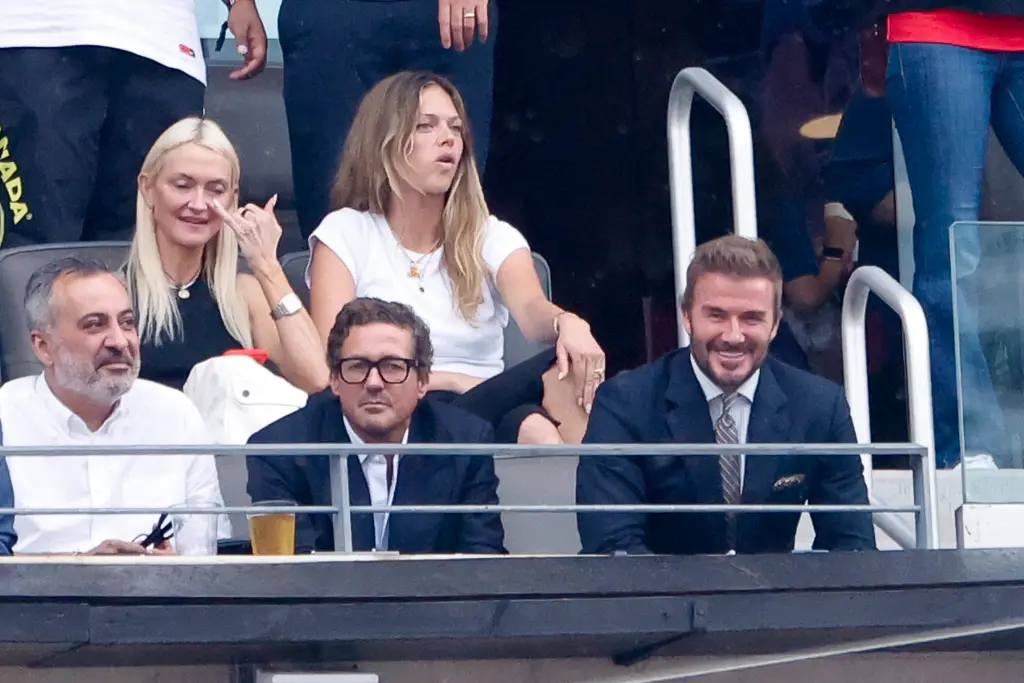
Unlike traditional match tickets, FIFA’s hospitality packages combine premium seating with exclusive services. Official hospitality for the 2026 tournament is managed by On Location, FIFA’s designated hospitality provider, which offers a range of products catering to different budgets and preferences. Packages begin at approximately US$600 for selected matches, while premium options such as private suites and field-level lounges can cost several thousand dollars per guest depending on the fixture and venue.
Among the most exclusive options are private suites. These enclosed hospitality spaces offer guests direct access to premium seating overlooking the pitch, private entrances, dedicated hosts, chef-prepared meals, premium beverages and pre- and post-match hospitality. Many suites also include private restrooms, reserved parking and concierge-style service designed to minimise waiting times and improve overall convenience.
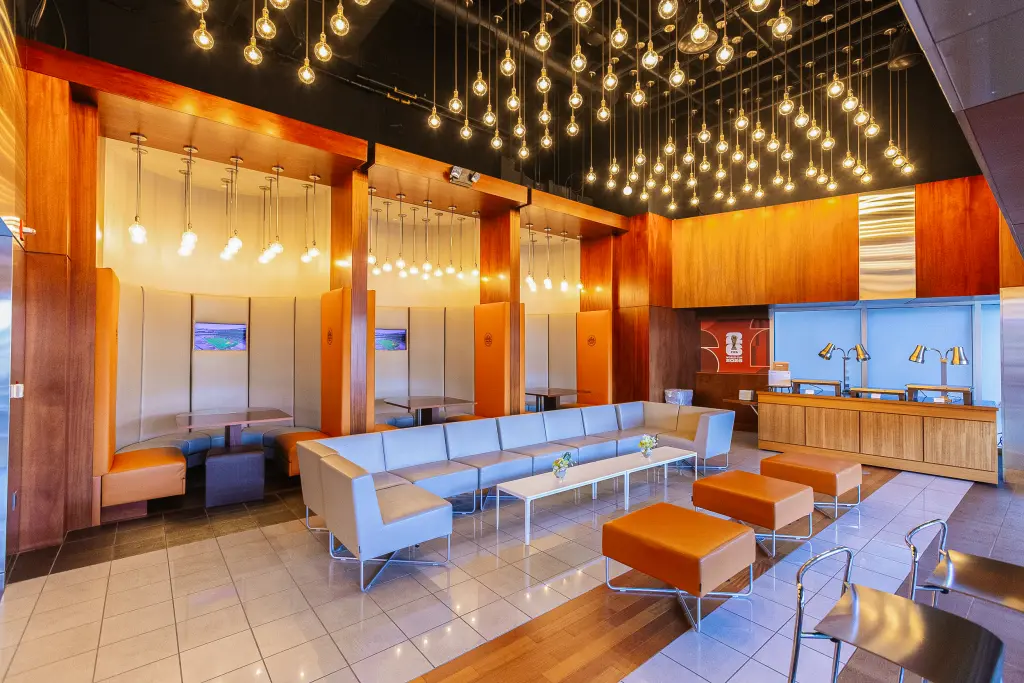
In addition to private suites, FIFA has introduced several shared hospitality experiences. The Pitchside Lounge places guests close to the field while providing access to live cooking stations, gourmet dining and premium beverage service before, during and after matches. The Trophy Lounge focuses on comfort and convenience, offering premium seating alongside food and beverage service in a shared hospitality environment. Other offerings include the Champions Club and the FIFA Pavilion, each providing different levels of dining, entertainment and exclusive access.
One of the biggest selling points of these hospitality experiences is convenience. Guests can typically access hospitality lounges several hours before kick-off, allowing them to enjoy meals, relax away from the stadium crowds and enter the venue through dedicated entrances. After the final whistle, many lounges remain open, giving guests additional time to dine, socialise or avoid heavy exit traffic. According to attendees who have purchased hospitality packages, these added services can be especially valuable for families, older spectators and international visitors unfamiliar with large stadiums.
Hospitality has also become an important business strategy for FIFA. The 2026 edition is the largest World Cup in history, featuring 48 national teams competing across 104 matches in 16 host cities spread across the United States, Canada and Mexico. The expanded tournament has created greater demand for premium experiences, particularly among corporate clients who use hospitality packages to entertain customers, reward employees and build business relationships. Industry analysts note that hospitality has become one of the fastest-growing revenue segments in global sports, reflecting increasing consumer demand for experiences that extend beyond the game itself.
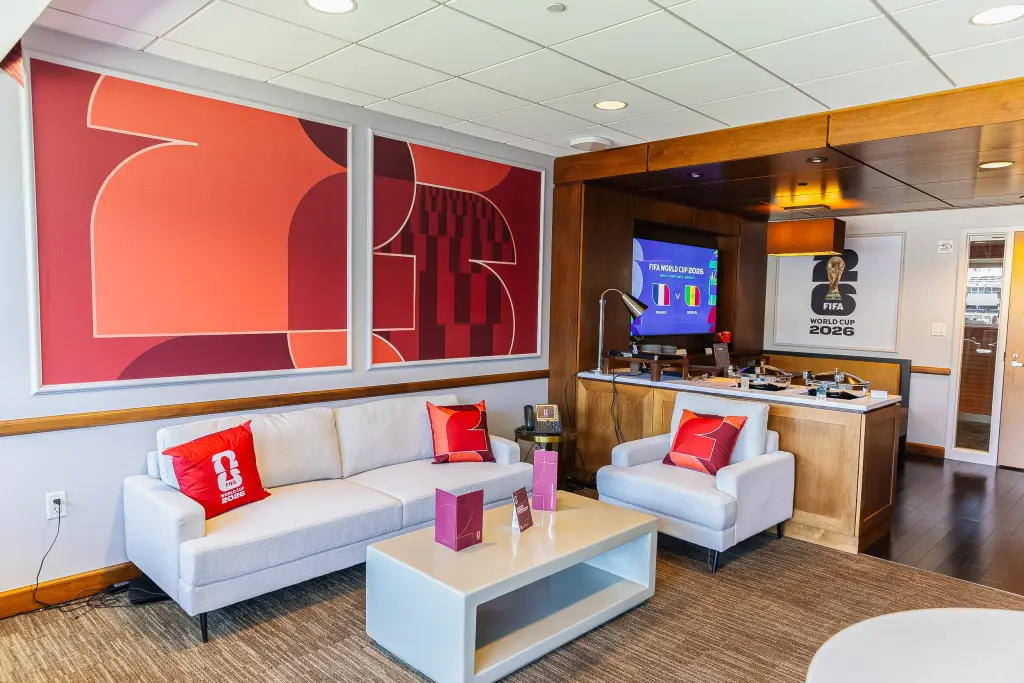
The tournament has also embraced celebrity involvement through initiatives such as Hospitality Captains and Stadium Captains. Public figures from sports and entertainment have represented host cities and participated in ceremonial roles during matches, reinforcing the connection between football, entertainment and premium fan experiences.
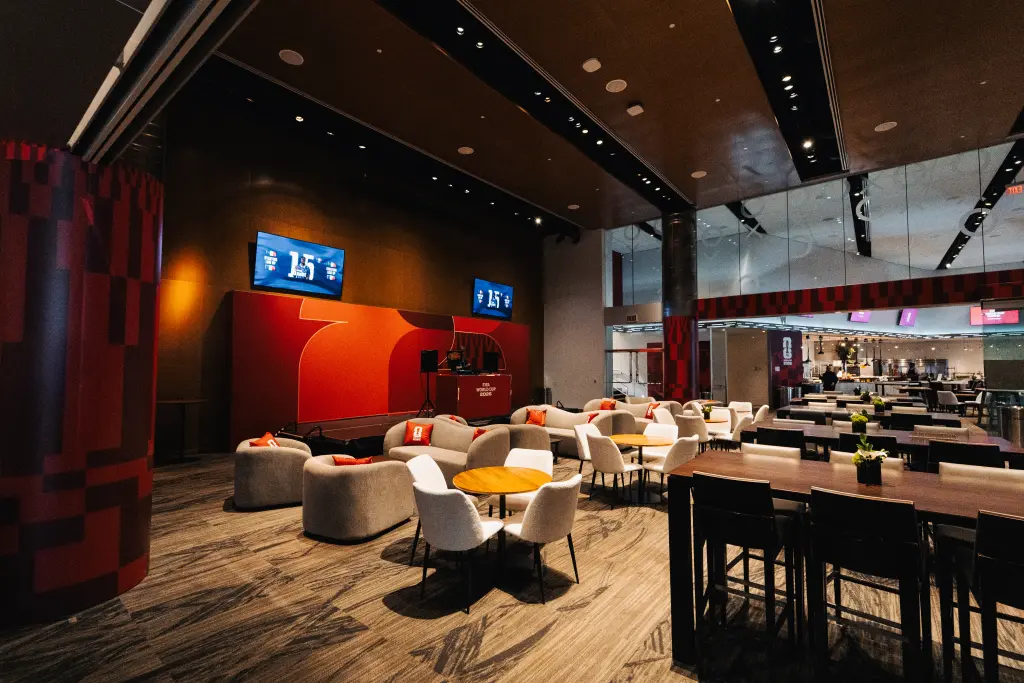
Official hospitality packages are available across all three host nations and can be purchased for individual matches, venue series or customized multi-match experiences. FIFA advises supporters to purchase these packages only through its official hospitality channels, noting that unofficial resale platforms may not guarantee valid access.
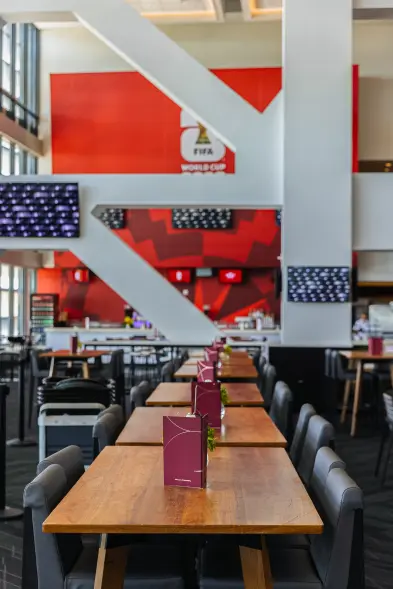
As the FIFA World Cup continues to evolve, luxury hospitality has become an increasingly significant part of the tournament. While football remains the main attraction, premium suites and exclusive lounges are transforming how many guests experience the world’s biggest sporting event, blending live sport with fine dining, personalised service and exclusive access under one roof.