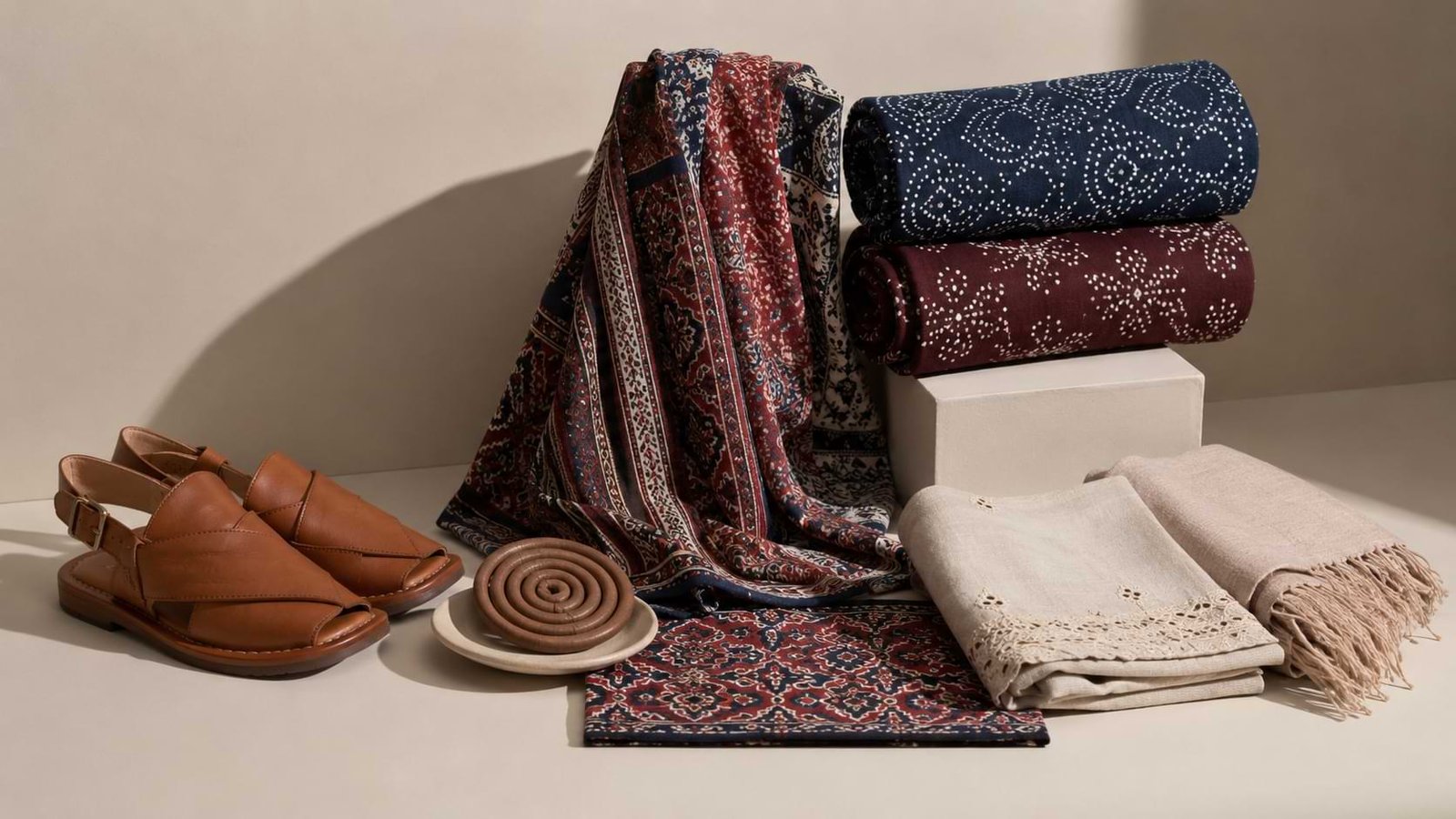
Pakistani designs and ideas have been part of Western luxury brands for decades now. From high fashion runways to high street stores, elements of Pakistani craftsmanship quietly appear in collections worldwide; sometimes credited, often unrecognized. The question isn’t whether Western designers find inspiration in Pakistani culture. They do. The question is how that inspiration is acknowledged and shared.
Inspiration happens when a designer acknowledges the source, respects the craft, and ensures credit flows back to the originating culture. Cultural appropriation occurs when that credit disappears, the origin is hidden, and profit bypasses the creators entirely.
The Peshawari Chappal: A Living Heritage
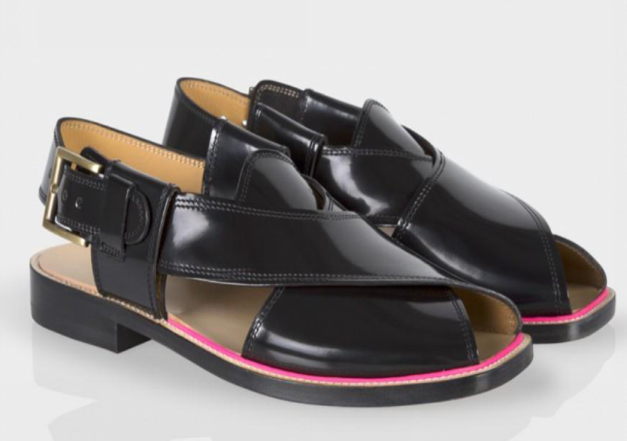
The Peshawari chappal is a masterpiece of functional design. Master leather craftsmen in Peshawar have perfected this sandal over centuries, hand-selecting leather, hand-stitching every detail, creating a product that shapes to the wearer’s feet and lasts for decades. When Yves Saint Laurent, Prada, and Christian Louboutin released their versions. They recognized what Pakistani artisans have always known, this design works. It’s comfortable, durable, and beautiful.
The Ancient Tie-Dye Tradition
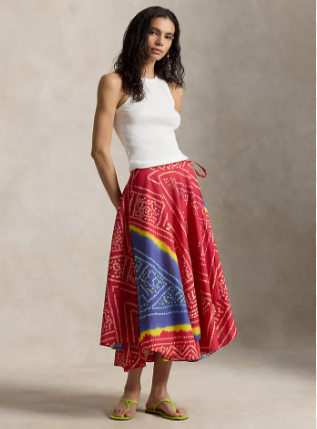
Bandhani—the centuries-old tie-dye technique—represents one of Pakistan’s most refined textile arts. Artisans tie fabric with thread in precise patterns, then dye it, creating intricate designs that no machine can replicate. Every piece requires months of skill and patience. When Ralph Lauren introduced a Bandhani-inspired skirt, the design spoke for itself—it’s striking, complex, and timeless.
Mosquito Coil: Everyday Pakistani Innovation
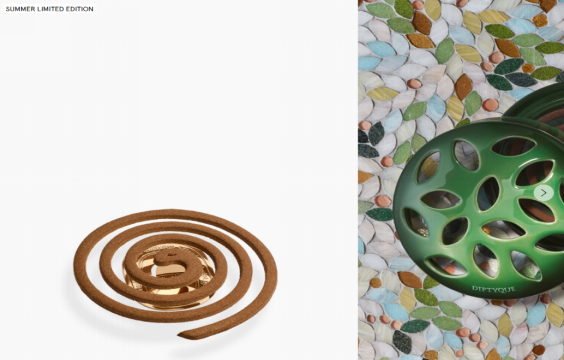
The mosquito coil is woven into Pakistani household life—a humble solution that has protected families from insects for generations. A 90 rupees coil, handcrafted and essential in Pakistani homes, serves the same function as Diptyque’s “Citronnelle Incense Spirals” at 17,000 rupees. The design is practical, the concept is Pakistani, and both work identically. The difference lies in how the product is presented to the world.
Ajrak: Sindh’s Stamped Legacy
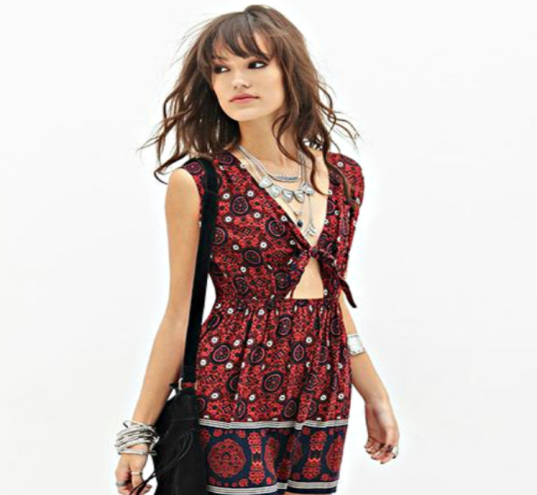
Forever 21 incorporated Ajrak prints into their collections—a centuries-old block-printed cloth from Sindh. Artisan’s hand-stamp patterns onto fabric using carved wooden blocks, a technique passed down through generations. The geometric patterns are striking and versatile, which is why they appeal to international brands. These designs carry centuries of Sindhi cultural identity within every print.
Beyond the Label
True inspiration acknowledges its source and celebrates the heritage behind the design. Look across Western fashion and the Pakistani influence is undeniable: Peshawari chappals and Kolhapuri chappals reimagined by luxury brands; shalwar kameez transformed into Massimo Dutti’s “flowing tunic dress”; tie-and-dye techniques rebranded as Ralph Lauren innovations; Ajrak prints from Sindh featured by Forever 21; Topshop’s crop-tops incorporating traditional Sindhi mirror work that resembles the gaj; Stella McCartney’s “Chellini” bell-bottom trousers, which are essentially the gharara—those wide-legged pants ruched at the knee to create a dramatic flare; pashmina shawls reimagined by Hermès, Gucci, and Louis Vuitton; sarees reinterpreted by Gucci; dupattas designed by Saint Laurent; kurta jackets created by Hermès. The designs are beautiful. The techniques are masterful. When these ideas reach global audiences through Western brands, the world should know they originate from Pakistani innovation and centuries of regional craftsmanship.