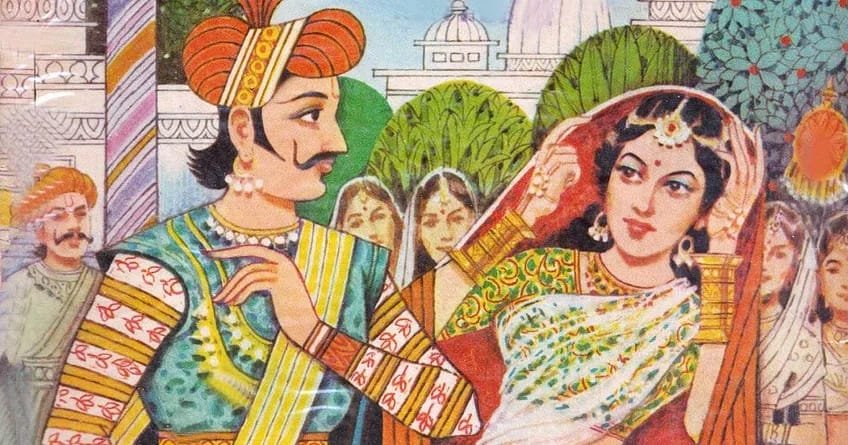
Of the seven queenly figures that appear in Shah Abdul Latif Bhittai’s Shah Jo Risalo, Umar Marvi holds a unique position, not simply as a love story but as a timeless allegory of loyalty, patriotism, and virtue. Written in the eighteenth century, this story is now more than literature as it continues to serve as an icon of Sindhi culture through politics, tradition, and everyday discourse.
The plot revolves around Marvi, a young girl who is kidnapped by Umar, the king of Umerkot, who tries to persuade and coax her into accepting him using material gains. Marvi does not bend to his wishes because what she longs for is neither Umar nor marriage, but rather homecoming from the place where she has been torn away. What makes this story different from others is that it reverses the romantic idea, as the point of the story is not in seduction and love but in maintaining one’s identity.
The character of Umar Marvi is one that can be considered as an analysis of the relationship between power and independence. The character of Umar symbolizes worldly power that can provide comfort, status, and safety to Marvi, but through her denial of those temptations, the concept of safety is turned into a concept of confinement instead. The preference that Marvi displays for her rural background compared to the luxury of royalty has been perceived as the unshakeable nature of identity against the temptation of power.
While it would be overly simplistic to consider the story only from a political point of view, it is important to note that Bhittai’s work is equally focused on the psychological states. The anguish of Marvi is portrayed in great detail and is a rare example of the depiction of psychological states in a folk legend. It is a genuine feeling of loss rather than an act of performing her virtues, which is shown through Marvi’s longing for her home and its tangible elements like dust and companions. Such psychological depth allows placing the story within the framework of Sufi literature, where humbleness and attachment to the mundane are seen as spiritual qualities.
Finally, the persistence of Umar Marvi in the cultural consciousness of Sindh indicates its ability to be a story that can have many interpretations at the same time: a love tragedy, an allegory of political struggle, and a Sufi contemplation on constancy. The fact that this tale is being referenced in literature, songs, and public discussion indicates that the contradiction inherent in the tale still has interpretive significance.